Boredom and Forced Trades: 7 Rules for the Discipline of Waiting

Boredom and forced trades are closely linked. Boredom is not a neutral state in trading. It changes the decision environment, weakens selection standards, and creates pressure to manufacture activity when the market has not produced a valid research condition. The resulting trade may appear technically defensible after the fact. A level can always be found. … Read more
Re-Entry Trading Strategy: Why We Rebuild a Position Only at a Materially Better Level

A re-entry trading strategy is not a second attempt to recover a disappointing outcome. It is a new research decision that requires a materially improved location, a valid thesis, and unchanged total risk for the currency involved. Re-Entry Trading Strategy as a Research Decision The distinction matters because the same market action can represent two … Read more

S&P 500 Sentiment: Reading Index Positioning From COT to Options

SPX500 sentiment is not a single directional reading. It is a composite interpretation of positioning, hedging demand, option structure, order-flow context, and price-location behaviour. A headline such as “bullish” or “bearish” compresses several different market conditions into one label. That compression creates analytical risk. A market can display positive index positioning while options demand remains … Read more

WTI Crude Oil Sentiment: Reading Oil Positioning From COT to Option Flows

WTI sentiment requires a broader analytical framework than directional price interpretation. Oil responds to inventory expectations, macroeconomic repricing, geopolitical risk, currency conditions, and changes in speculative positioning. These drivers can reinforce one another, or produce conflicting readings across time horizons. A spot move therefore provides incomplete information. A rising market may reflect fresh demand, short … Read more

Institutional Order Flow: 6 Key Signals Smart Traders Read

Institutional order flow trading is the practice of reading where large capital allocators actually commit orders, across order books, option expiry profiles, and futures positioning, instead of relying on price action and lagging indicators alone. It gives traders a structural map of the market rather than a single chart pattern to react to. What Institutional … Read more

Stop-Loss Clusters: 5 Proven Reasons Wide Stops Win

Stop-loss clusters form wherever traders bunch protective orders around psychological round numbers and obvious technical extremes, creating dense bands across OANDA order book liquidity maps that are worth watching before every trade. Reading where price sits inside one of these bands is a core habit in disciplined order flow trading. What Are Stop-Loss Clusters and … Read more

TradingView Order Flow: A Beginner’s Setup Guide

Order flow trading dashboard versus simple trading signals

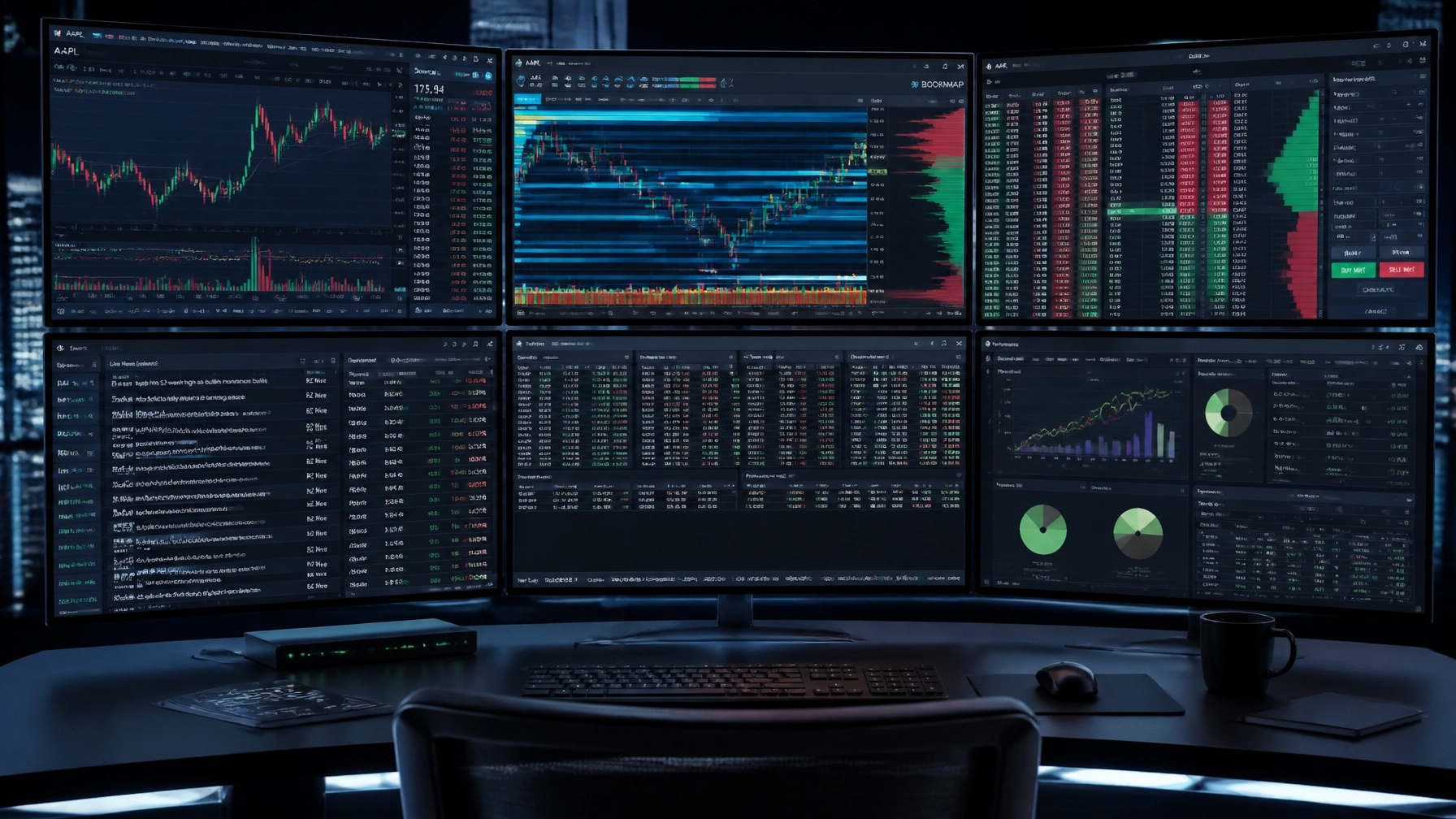
TradingView order flow tools move a trader from watching price alone to watching the auction itself: who is buying, who is selling, and how aggressively. This beginner’s guide covers the core tradingview volume profile tools, how to read footprint charts, and how these order flow indicators fit alongside Investing Bridge’s structural research rather than replacing … Read more